Source Diaphragm Overhaul Kit for Water Pumps, Excavators, and Mining
Compare 30 diaphragm overhaul kits from verified Chinese suppliers. These kits feature NBR or FKM rubber materials, high-pressure resistance, and waterproof capabilities for water pumps, excavators, and mining machinery applications.
Key considerations
Products List


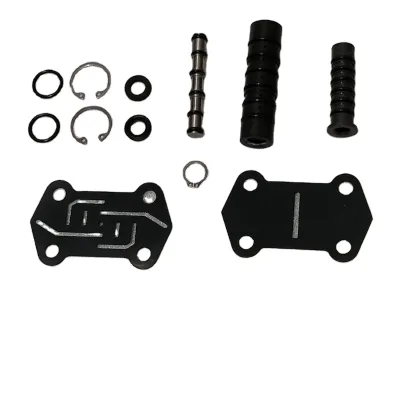


Comprehensive Sourcing Guide
Diaphragm Overhaul Kit Sourcing Guide
Procuring a diaphragm overhaul kit requires a precise understanding of the specific hydraulic or pneumatic systems involved, as these components are critical for maintaining pressure integrity in machinery ranging from water pumps to heavy excavators. The market offers a diverse array of options, including standard and non-standard models designed for specific tonnage ranges, such as 2.5 to 45 tons for excavator applications. Buyers must distinguish between generic rubber components and specialized kits that include specific repair elements tailored to high-pressure environments.
The sourcing process is heavily influenced by the material composition and the customization capabilities of the supplier. Available options typically utilize Nitrile Rubber (NBR) or Fluoroelastomer (FKM), selected based on the need for oil resistance, waterproofing, and anti-aging properties. Since many suppliers offer OEM and ODM services, buyers can often request custom colors or specific dimensions, ensuring the kit fits the exact requirements of their industrial machinery or hydraulic-gas systems without requiring extensive modification.
Product Scope and Observed Listing Signals
When evaluating product listings, buyers should look for clear indicators of the kit's intended application, such as references to mining, construction, or water pump machinery. The observed market signals include specific mentions of high-pressure resistance and durability, which are essential for components operating in demanding environments like metallurgy or railway sectors. Listings that specify the product as a "Membrane Kit" or "Pump Diaphragm Repair Kit" often provide a more comprehensive scope, suggesting they contain the necessary parts for a full overhaul rather than just a single replacement part.
Packaging and delivery signals also provide insight into the supplier's operational maturity. Products are frequently shipped in plastic bags, cartons, or wooden cases depending on the size and weight, with some listings specifying dimensions like 40x40x40cm for carton packaging. Lead times observed in the market typically range from 7 to 21 days, though some suppliers may offer faster turnaround times of 7 to 15 days. These logistical details are crucial for planning maintenance schedules and ensuring that critical machinery downtime is minimized during the procurement process.
Technical Specifications to Verify
The most critical technical verification involves confirming the material grade and dimensional compatibility of the diaphragm. Buyers must ensure the material is explicitly stated as NBR or FKM, as these offer the necessary resistance to oil and high pressure, whereas generic "rubber" may not suffice for harsh industrial conditions. Additionally, the standard and non-standard model availability should be verified against the specific OD and thickness (TH) requirements of the existing system, as the product standard is often defined by these precise millimeter measurements.
Pressure ratings and system compatibility are equally vital to prevent catastrophic failure during operation. The product must be verified as suitable for high-pressure applications, with features explicitly listed as waterproof and oil-resistant. For excavator applications, the kit must be compatible with the specific tonnage of the machine, ranging from 2.5 to 45 tons, and designed for hydraulic-gas systems. Buyers should also check if the product accepts custom colors or specific sizes, as these variations can indicate a higher level of customization capability that aligns with unique machinery requirements.
Compliance and Safety Documentation
Ensuring that the diaphragm overhaul kit meets international quality standards is a fundamental step in the procurement process. Many suppliers provide certifications such as ISO 9001 and CE, which serve as evidence of a structured quality management system and adherence to safety regulations. These certifications are particularly important for components used in heavy industries like mining and construction, where equipment failure can lead to significant safety hazards and operational disruptions.
Beyond general certifications, buyers should verify if the product adheres to specific national standards, such as the GB standard, which may be relevant for domestic or regional procurement. The documentation should also confirm the condition of the product, typically listed as "New," and include details on the warranty period, which is often observed as 3 years for high-quality rubber components. This warranty coverage provides a safety net for buyers, ensuring that any premature failures due to manufacturing defects are addressed without additional cost.
Cost Drivers and Commercial Terms
The cost of a diaphragm overhaul kit is driven by several factors, including the material choice, customization level, and the complexity of the repair kit. Kits utilizing FKM material generally command a higher price point than those using standard NBR due to the superior chemical resistance and longevity of fluoropolymers. Furthermore, the acceptance of custom sizes and colors, along with OEM services, can influence the final price, as these bespoke requirements often involve additional manufacturing steps and tooling costs.
Commercial terms and payment methods are also significant considerations for buyers managing their cash flow and supply chain logistics. The market typically supports payment via T/T or PayPal, offering flexibility for different transaction sizes. Shipping options vary from express delivery to air and sea freight, allowing buyers to balance cost against urgency. Minimum Order Quantities (MOQ) can range widely, from as low as 1 unit to 1000 units, with some suppliers setting a standard MOQ of 500 pieces, which impacts the total cost per unit for smaller procurement needs.
Supplier Qualification and Quality Control
Selecting a qualified supplier requires a thorough review of their origin and production capabilities. Suppliers are often located in industrial hubs such as Shanghai or Hebei in China, regions known for their manufacturing expertise in rubber components and machinery parts. Buyers should verify the supplier's ability to handle both standard and non-standard orders, as this indicates a flexible production line capable of meeting diverse client needs without compromising on quality.
Quality control is further evidenced by the supplier's adherence to specific production standards and their willingness to provide detailed product specifications. The presence of certifications like ISO 9001 and CE suggests a commitment to maintaining consistent quality across batches. Additionally, the supplier's ability to offer a 3-year warranty and their experience in serving industries like mining and construction serve as strong indicators of their reliability. Buyers should also assess the packaging methods, such as the use of wooden cases or pallets, to ensure the products arrive in pristine condition.
Long-Term Procurement Checks
Establishing a long-term procurement relationship involves regular checks on the consistency of product quality and the reliability of delivery times. Buyers should monitor whether the supplier consistently meets the 7 to 21-day delivery window and maintains the specified material properties over multiple orders. Consistency in the "High Durability" and "Long Life" features of the diaphragm kits is essential for maintaining the operational efficiency of heavy machinery over extended periods.
Finally, buyers should periodically review the supplier's adaptability to changing market demands and technological advancements. As machinery evolves, the need for updated diaphragm kits with enhanced resistance to oil, water, and aging may increase. A supplier that continues to offer OEM and ODM services and maintains a broad range of sizes and materials will be better positioned to support long-term maintenance strategies. Regular communication regarding new product developments and standard updates ensures that the procurement strategy remains aligned with the latest industry requirements.
FAQs
What materials are used for diaphragm overhaul kits?
Diaphragm overhaul kits typically utilize NBR (Nitrile Rubber) or FKM (Fluoroelastomer) materials. These options provide high pressure resistance, oil resistance, and waterproofing. The black-colored membranes are designed for durability in industrial components and water pump machines. Buyers can choose between NBR or FKM based on specific chemical and temperature requirements for their machinery applications.
Can I customize the size and color of the membrane?
Yes, customization is available for both size and color. The product accepts customized sizes to fit various machinery needs, with standard and non-standard models available. While black is the common color, custom colors can be accepted upon request. This flexibility supports OEM and ODM services, ensuring the diaphragm fits specific hydraulic-gas systems or excavator applications precisely.
What is the typical delivery time for these kits?
The delivery time generally ranges from 7 to 21 days. Some listings indicate a faster turnaround of 7 to 15 days for standard orders. This lead time applies to both standard and non-standard membrane kits. Buyers should confirm specific timelines with suppliers, as production schedules may vary based on order volume and customization requirements for industrial or mining applications.
Which certifications do these diaphragm kits hold?
These diaphragm overhaul kits often hold ISO 9001 and CE certifications. These standards ensure quality management and compliance with European safety requirements. The products are manufactured in China, with origins in Shanghai and Hebei. Buyers seeking certified components for mining, construction, or metallurgy industries can verify these credentials to ensure the parts meet international industrial standards.
What is the minimum order quantity for these products?
The minimum order quantity (MOQ) typically starts at 500 pieces. However, observed ranges indicate MOQs can vary from 1 to 1000 units depending on the supplier. This flexibility allows buyers to test samples or place larger bulk orders. Pricing and terms may adjust based on the quantity ordered, with options for plastic bag or carton packaging for shipping.
Are these diaphragms suitable for excavator applications?
Yes, specific diaphragm kits are designed for excavators ranging from 2.5 to 45 tons. These components are suitable for mining, construction, and metallurgy industries. The high-quality rubber ensures high durability and long life in heavy-duty hydraulic systems. Buyers should verify the specific model, such as MT or standard types, to ensure compatibility with their excavator's hydraulic-gas system requirements.